
Baking
from
first
principles
8 workshop modules, roughly 40 hours of hands-on work. The program starts with ingredient science and ends with a plated dessert you designed yourself.
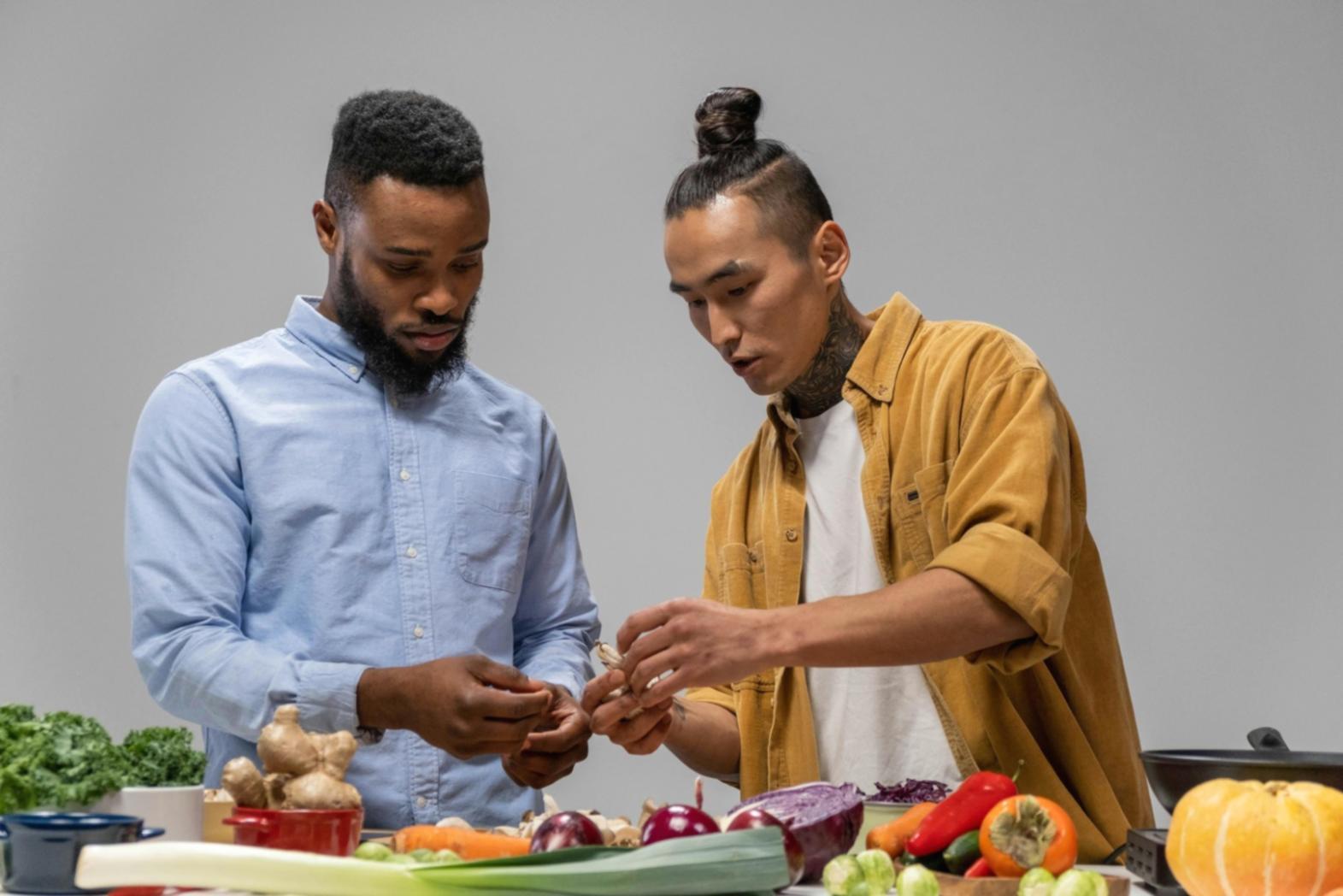
What the program covers
Each module has 6 graded exercises. You submit photos and written notes; feedback arrives within 48 hours.
Sessions run across 4 time zones — at least 3 slots fall within a reasonable hour for most participants.
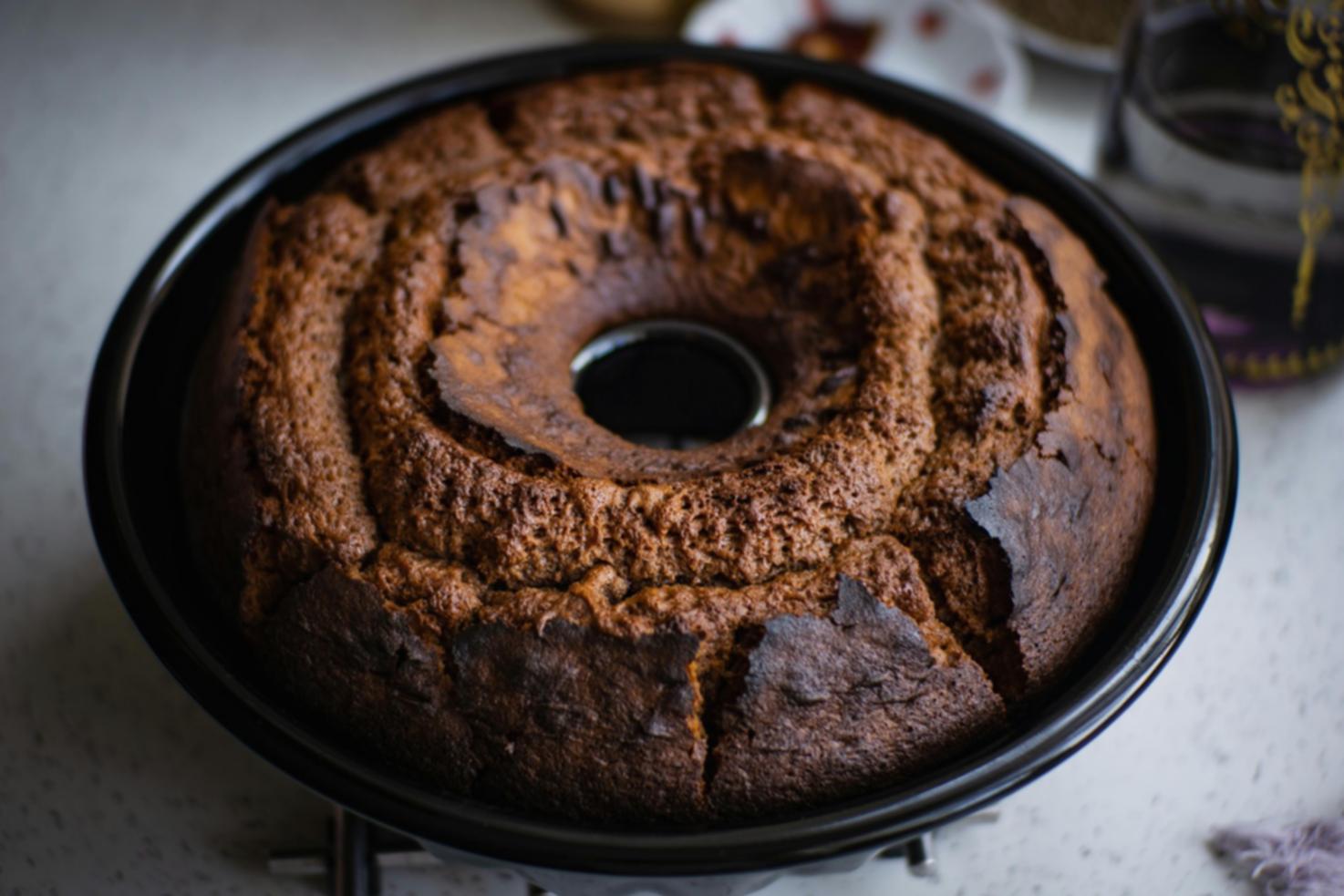
Technique before recipes
The program does not teach recipes as scripts. It teaches the logic behind each step — why 27 °C dough temperature matters for croissants, why a 60 % hydration starter behaves differently from an 80 % one. Once you understand the mechanism, recipes become readable rather than obligatory.
Assignments are designed so that you deliberately make a mistake in one iteration and correct it in the next. This is how most professional bakers actually learn.
The final submission is a documented 3-component dessert plate. You write the rationale alongside the recipe.
Instructor comments are specific — not "good texture" but "your custard set too firmly because the egg ratio was 4 % above the formula."
Module sequence
The 8 modules run in a fixed order. Each one builds on the previous — lamination is taught after fermentation because the dough mechanics overlap. You cannot skip ahead, but you can revisit any completed module at any time.
-
1~4 h
Kitchen Setup and Ingredient Science
Scales, thermometers, and why gram-weight measurements matter. Fat content, protein levels in flour, and what "room temperature butter" actually means in Celsius.
-
2~6 h
Bread Doughs and Fermentation
Hydration from 65 % to 85 %, bulk fermentation cues, shaping tension. You bake 3 different loaves and compare crumb structure photographs.
-
3~7 h
Laminated Pastry Technique
Croissant dough with 27 butter layers. Temperature checkpoints every 20 minutes during folding. Common failures — butter shattering, leaking, uneven layers — are covered specifically.
-
4~4 h
Tart Shells and Shortcrust Work
Pâte sucrée and pâte sablée ratios, blind baking weights, shrinkage control. Four tart formats across two bake sessions.
-
5~5 h
Custards, Creams and Emulsification
Crème pâtissière, diplomat, and lemon curd. Heat control to 82–84 °C without scrambling eggs. Ratio comparisons between a 15 % fat and 35 % fat base.
-
6~5 h
Chocolate Tempering and Ganache
Seeding method with dark, milk and white coverture. Three ganache formulas at different cream-to-chocolate ratios; texture and shelf-life comparison documented in your assignment log.
-
7~4 h
Plating and Finishing
Mirror glaze at 32 °C pour temperature, tuile templates, and glazed citrus garnish. Visual balance on a white plate — negative space, height variation, sauce placement.
-
8~5 h
Final Capstone Assignment
You design a 3-component dessert plate, write a rationale document explaining every technical decision, and submit photographs from 3 angles. Instructor review takes up to 5 business days.
Who runs the workshops
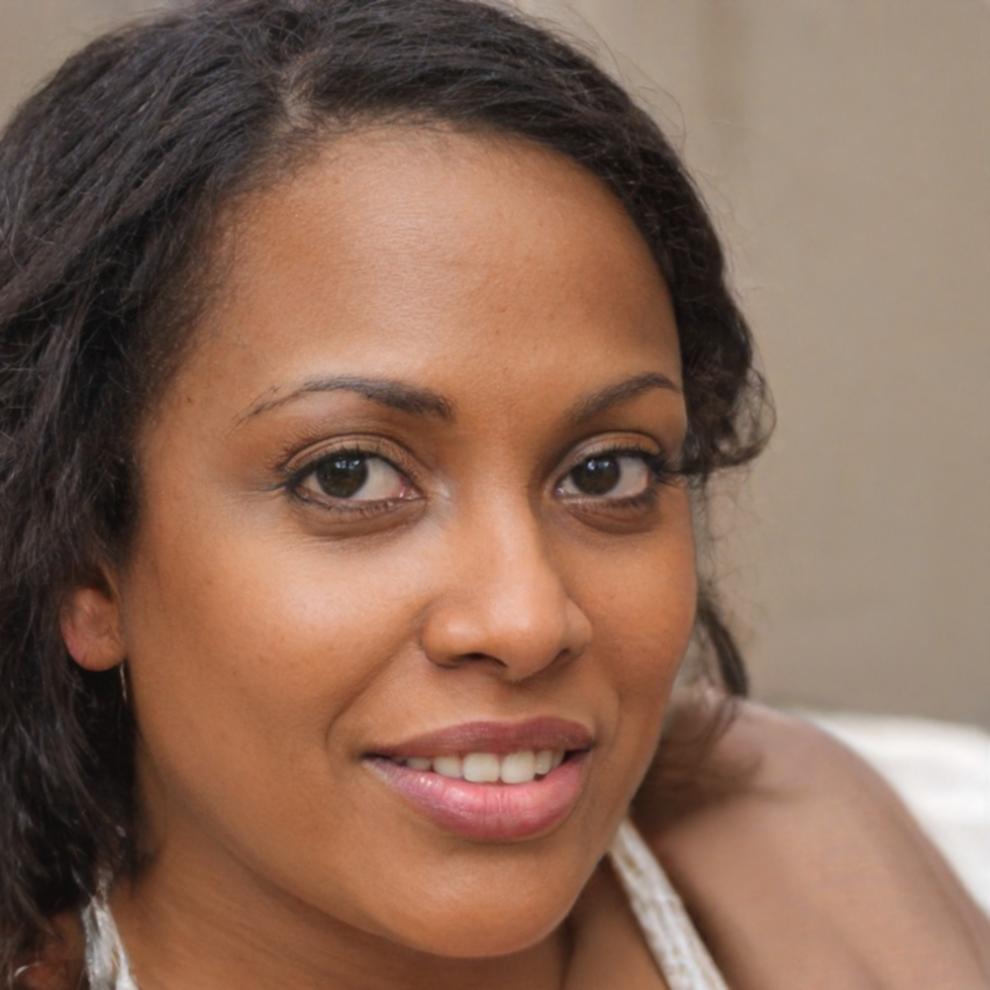
Odette Vrancken
Lead pastry instructorWorked in production kitchens in Brussels and Lviv for 11 years. Runs modules 3, 4, and 7.

Taras Boyko
Bread and fermentationFormer head baker at a 35-seat bakery in Odesa. Leads modules 1 and 2, co-leads module 8.

Mirco Flamment
Chocolate and confectioneryTeaches modules 5 and 6. Has written 2 unpublished technique manuals used internally by the program.
What participants need before starting
Questions about the program
The full schedule, cohort dates and pricing are on the masterclass page. If something is unclear after reading, send a message to support@zyroxenth.com — replies go out within 1 business day.