
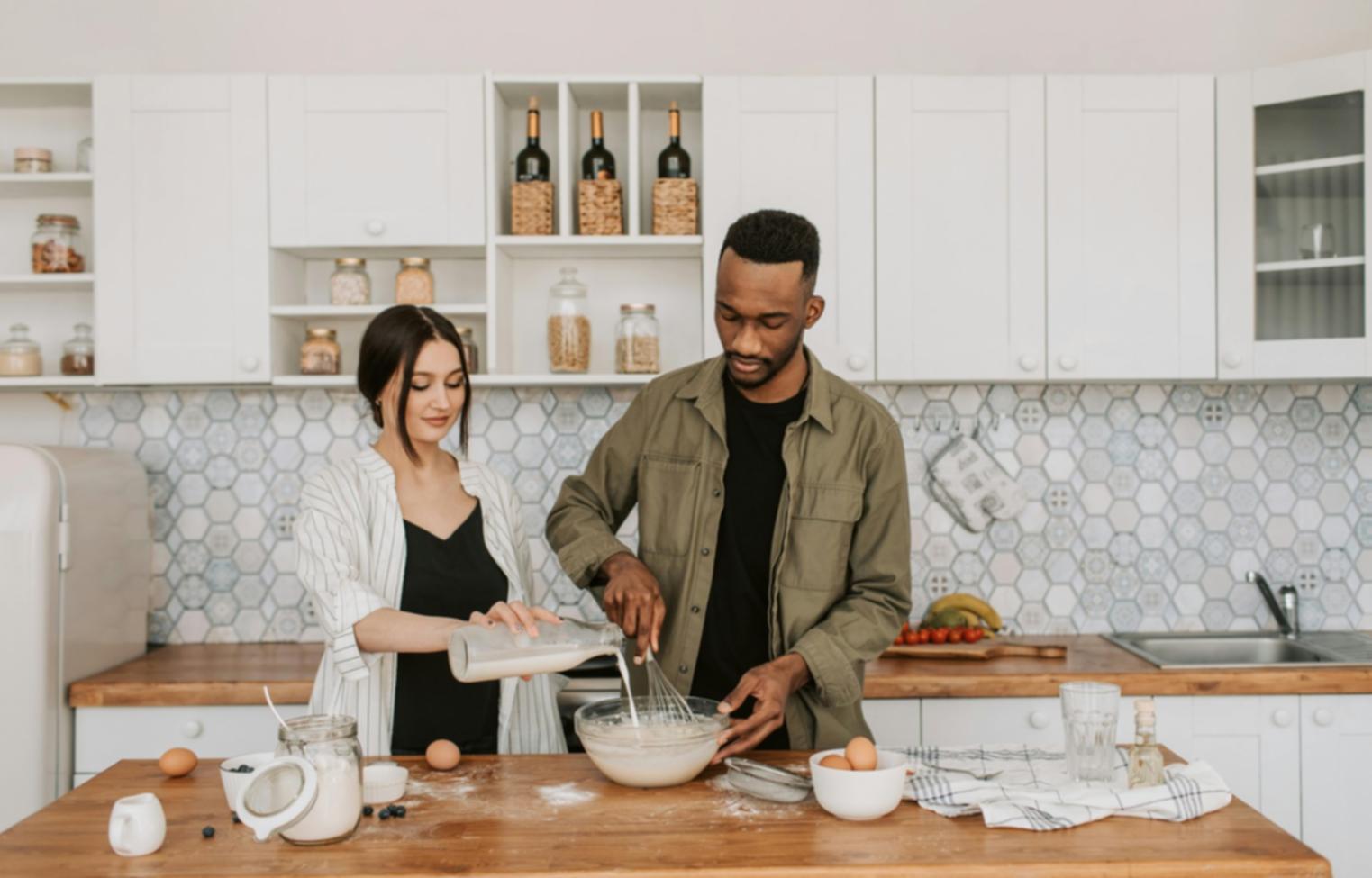
Online Baking & Pastry — Zyroxenth
Craft.
Learn.
Repeat.
Structured workshops built around hands-on practice. Each session runs 4–6 hours of guided exercises across 8 skill modules.
Each workshop at Zyroxenth is built from a specific technique gap — not from a marketing brief. Sessions cover laminated doughs, sugar work, chocolate tempering, and enriched breads at a pace that allows for repetition before moving forward.
How the workshops are structured
Each module follows the same pattern: instruction, guided attempt, critique, iteration. Students repeat each technique at least 3 times before advancing.
Step-by-Step Assignments
Every session breaks technique into 6–12 discrete steps. Participants submit photo evidence of each stage before unlocking the next.
Collaborative Exercises
Twice per module, students join a live group session of 8–12 participants. These sessions focus on comparing results and diagnosing errors together.
Practical Skill Focus
The curriculum covers 14 core techniques across lamination, creaming, piping, and sugar pulling. Each is assessed against a documented standard, not subjective impression.


Tobias Wendel
Pastry structure & lamination
Worked in production bakeries across Austria and Poland for 11 years before moving to online instruction. Specialises in croissant geometry and dough consistency under varying humidity conditions.

Adaeze Okonkwo
Sugar craft & chocolate
Trained in Lagos and Lyon, with 7 years in competition pastry and 4 years in curriculum design. Focuses on technique replication under home conditions — standard equipment, no industrial shortcuts.
The people behind the modules
Zyroxenth instructors come from production and competition backgrounds, not content creation. Each module is written by the instructor who has repeated the technique enough times to know where students stop and why.
Feedback is given by the same person who designed the exercise — no delegation to assistants. Response time is capped at 24 hours per submission.
What instructors assess
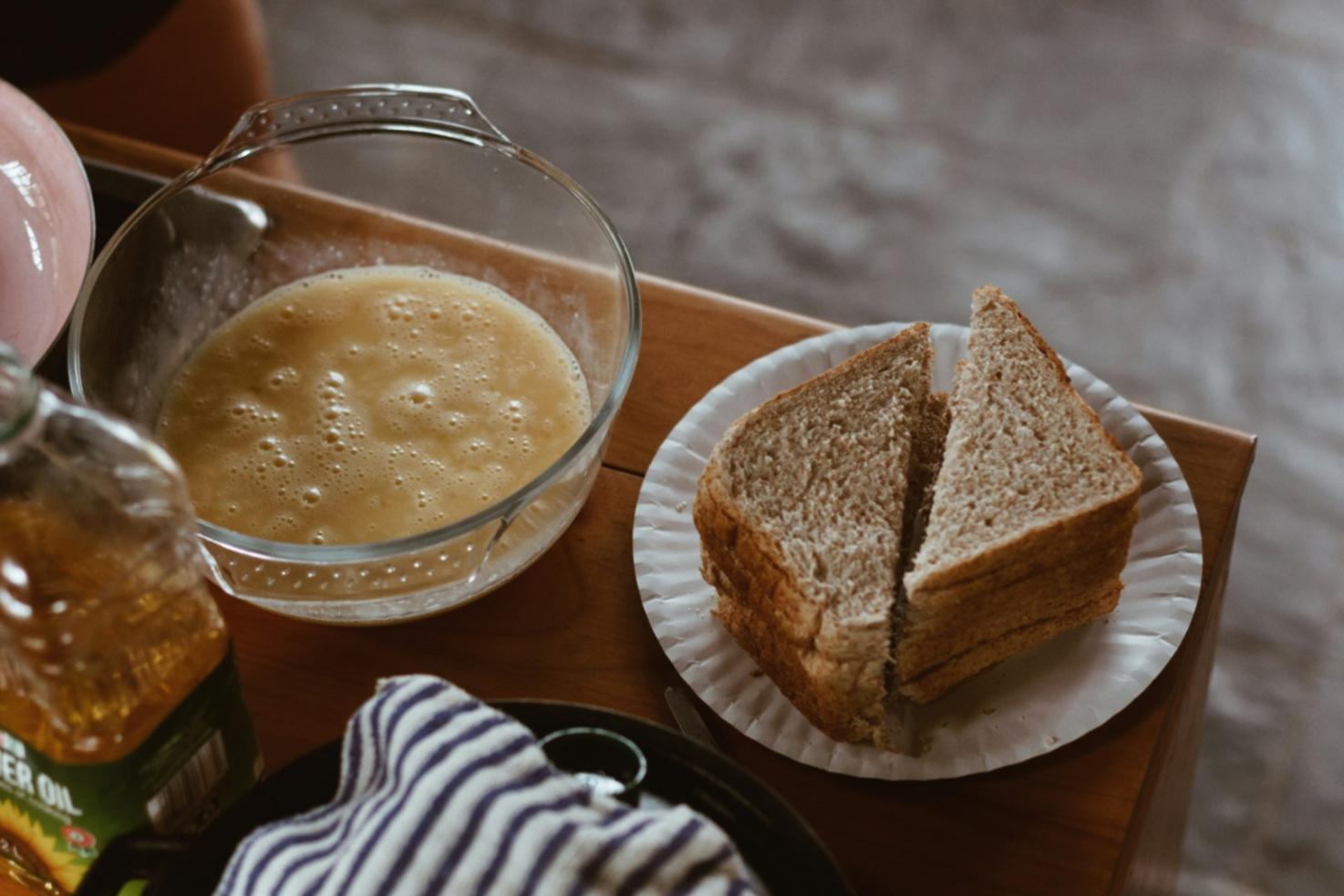


Learning program outline
The full program spans 8 weeks. Each week targets one technique family, with 3 assignments and 1 group review session built in.
STUDENT FEEDBACK
What participants reported
The lamination module made me bake the same croissant 6 times in one week. By the fifth attempt I actually understood what I was looking for. The instructor's notes were specific enough to be useful — not just "practice more."
Chocolate tempering had always been inconsistent for me. After the module, I understand why — my seed ratio was off and I wasn't reading the table temperature correctly. That one fix changed 3 years of frustrating results.
Questions before enrolling?
The support team responds within one business day. Ask about prerequisites, schedule compatibility, or what equipment is actually needed.